

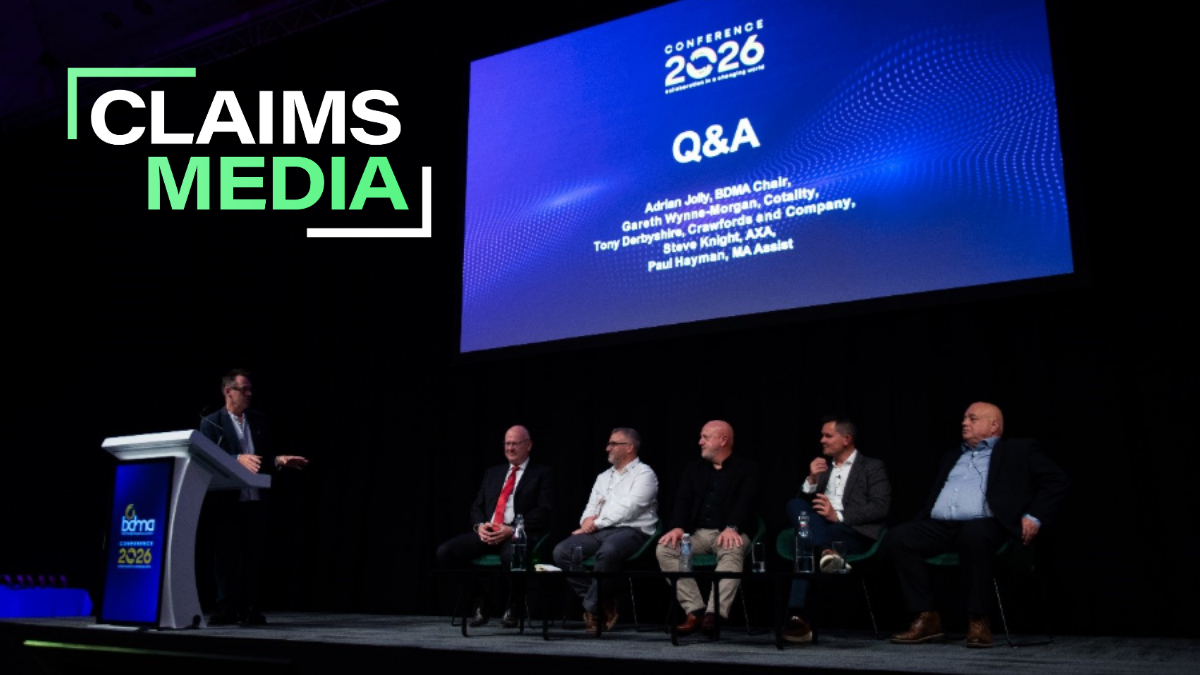
Lucy Thompson on behalf of the British Damage Management Association (BDMA)
New British Damage Management Association (BDMA) research from a June 2026 member survey reveals a widening gap between insurer intentions and operational reality, and suggests a supply chain that cannot absorb the strain for much longer.
The damage management sector is the closest the insurance industry gets to its promise. When a property is damaged or a business is disrupted, it is restorers, surveyors, technicians and specialist suppliers who turn underwriting intent into lived experience. Yet new research from the BDMA suggests this critical part of the claims ecosystem is operating under intensifying pressure – and that collaboration across the supply chain may be far from fit for purpose.
Drawing on a range of detailed responses from contractors, surveyors, insurers, suppliers and loss assessors, the statistical signal is unambiguous: over 70% of respondents describe current collaboration as ineffective or only neutral, with only a small minority reporting anything approaching “somewhat effective”.
One contractor summarised the mood with disarming clarity: suggestions that “there is no effective collaboration across the industry… in general terms collaboration is appalling.”
This is not a sector working at the margins of the process. It is the part of the supply chain that physically delivers the outcomes the Financial Conduct Authority (FCA)’s Consumer Duty now requires insurers to evidence, and it is signalling that the system is creaking.
A supply chain under strain
The BDMA’s research outlines a consistent set of structural blockers:
- Poor communication – cited by almost every respondent.
- Lack of trust, fragmented processes, and conflicting commercial pressures – a triad of systemic friction.
- Cash flow instability – repeatedly described as the single biggest operational threat.
- Inconsistent standards and technology/data incompatibility – undermining efficiency and accountability.
- Lack of clarity around roles and responsibilities – particularly acute in multi‑party claims.
More than 80% of respondents believe siloed working continues to significantly affect outcomes, while most say the industry remains underprepared to collaborate effectively in the face of rising external pressures.
Those pressures are familiar but intensifying: claims delivery cost inflation, rising customer expectations, skills shortages, and insurance market pressures dominate the responses. The Prudential Regulation Authority’s expectations for operational resilience and the FCA’s scrutiny of end‑to‑end customer journeys only heighten the stakes.
Where collaboration works
Despite the challenges, the research identifies pockets of effective collaboration. These examples share common traits:
- Clear, single‑channel communication
- Shared goals and aligned expectations
- Joint site visits and real‑time decision‑making
- Direct insurer–contractor relationships
- Human connection built through industry events
One contractor described a successful partnership that emerged from a BDMA networking event. Another highlighted the value of joint on-site attendance to avoid double‑handling and reduce unnecessary storage and strip‑out costs.
These examples matter because they demonstrate that collaboration is not an abstract aspiration, but a practical, operational lever that reduces indemnity spend, job lifecycles, and improves customer outcomes.
The widening gap between intention and reality
Perhaps the most striking insight is the disconnect between what the industry says it wants and what actually happens on the ground.
Respondents repeatedly highlight:
- Insurers’ desire for speed vs. slow approvals
- Commitments to sustainability vs. strip‑out‑first behaviours
- Talk of partnership vs. adversarial commercial models
- Investment in portals vs. fragmented, incompatible systems
- Customer‑first rhetoric vs. unrealistic expectations set at FNOL
One surveyor captured the tension: “Meeting customer expectations with regards to lead times… volume of works are not being taken into consideration.”
Another pointed to the rise of loss mitigation specialists and assessors “challenging established practices” and driving strip‑out decisions that increase cost and waste – a direct contradiction of ESG commitments and cost‑control strategies.
This gap between intention and reality is not new, but the research suggests it is widening as claims complexity increases and capacity tightens.
Cash flow: a quiet crisis shaping behaviour
If one theme cuts through the data with unusual force, it is cash flow.
Respondents describe:
- Delayed payments
- Rates that no longer reflect cost realities
- BAU volumes too low to sustain investment
- Surge‑only relationships that undermine resilience
- Contractors absorbing risk that insurers ultimately own
One contractor summarised it plainly: “Better rates, prompt payment and less cash settlement.”
Another warned: “It has and continues to be almost a race to the bottom… there are skilled people leaving the sector.”
In a Consumer Duty environment, where insurers must evidence fair value and good outcomes, the sustainability of the supply chain is no longer a commercial side issue but should be a prominent, regulatory one.
What the industry says it needs next